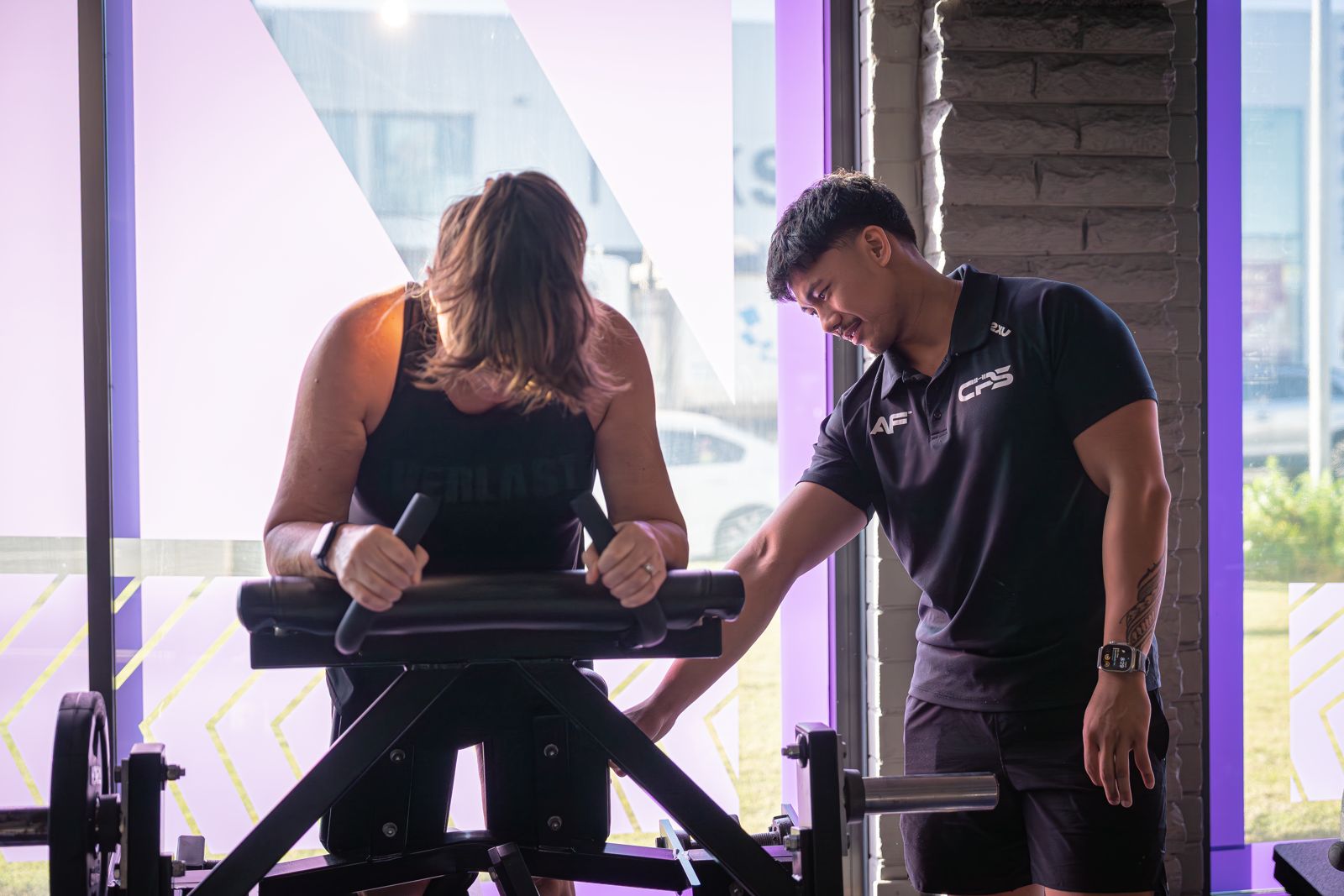
What is the plan?
Ask what the first few weeks would focus on. Listen for a small number of priorities that connect to your goal, experience, schedule and current ability.


PERSONAL TRAINING DECISION GUIDE
For people comparing personal trainers who want to understand the plan, the support and how a coach’s experience applies to their goal. Use the guide to ask better questions and choose the competence and accountability that fit.
Free PDF resource
Use six clear questions to compare a coach’s plan, experience, support, relevant competence and professional boundaries. Learn when accountability may be enough and when your goal calls for deeper expertise.
Six questions worth asking
A competent coach who provides suitable training, encouragement and accountability may be a good fit when consistency is the main goal. A specific sport, performance goal or training around injury may require more relevant competence and a clear explanation of how that experience applies to you.
Ask what the first few weeks would focus on. Listen for a small number of priorities that connect to your goal, experience, schedule and current ability.
Ask what the coach’s experience taught them and how it changes the recommendation for you. Years coached can inform judgement, but they are not a complete explanation.
Ask what will be reviewed, how often and what would make the coach adjust the plan. Useful measures should match the goal.
Ask how check-ins, feedback, updates and communication work. Suitable training, encouragement and accountability may be enough when consistency is what you want.
Ask how training can adapt around work, family, travel, recovery, pain or reduced time. Look for a practical fallback rather than shame.
Ask what you should understand after the first block and what the coach would refer elsewhere. Sport or injury-related goals call for relevant competence, honest limits and referral where needed.
Honest limits matter
A coach does not need to know everything. A strong response explains what they would check, how you could find out together or when referral to a physiotherapist, doctor or dietitian is appropriate.
Clear speech alone does not prove expertise. Check whether the explanation connects to your goal, safe practice and the actual programme. Accountability never excuses unsafe choices.
Warning signs
Before you decide
You can ask another question, compare another coach, review the written service details or wait. A useful consultation should help you decide without pressure.
CPS in action
Swipe or use the controls to see more of the coaching, training and preparation connected to this page.